
CMC:Berkshires is a small, intensive residential treatment program for adults with substance use and co-occurring mental health concerns. We are located on a private, gated 200-acre campus in New Marlborough, in the Berkshire Mountains of western Massachusetts, and never have more than 15 clients at a time. Clients come to us from across the country.
We work with adults dealing with substance use disorders, trauma and PTSD, anxiety, depression and other mood disorders, OCD, ADHD and executive functioning difficulties, relationship problems, and other mental health concerns. Often, several of these are happening at once.
Everyone arrives for different reasons, with different experiences and goals. Our job is to understand what is happening, why change has been difficult, what is helping or getting in the way, and what will need to be different for change to hold up once someone leaves residential treatment.
For more than 20 years, the Center for Motivation and Change (CMC) has been helping people understand and change difficult behaviors. Its founders, psychologists Carrie Wilkens, PhD, and Jeffrey Foote, PhD, co-authored Beyond Addiction: How Science and Kindness Help People Change and helped develop the Invitation to Change Approach®. Along with Will Regan, they co-founded CMC:Berkshires to bring that approach into residential treatment. Both are on site at CMC:Berkshires. They run team meetings, supervise clinicians directly every week, and often see clients themselves for consultations or specific treatments.
If you are comparing residential treatment centers for yourself or a loved one, [contact our admissions team]. We'll learn what's happening, what you've already tried, what you hope will change, and whether CMC:Berkshires feels like the right fit.
A lot of residential programs use the same words we do: individualized, integrated, evidence-based, trauma-informed, dual diagnosis. The question is what those words mean in practice.
At CMC:Berkshires:
- Primary clinicians carry no more than three clients at a time.
- There are never more than 15 clients.
- Clients receive three hours of individual therapy each week with their primary clinician.
- Each client has a dedicated family clinician who spends about two to three hours a week working with the client and the people in their life.
- Clients receive about 15 hours of evidence-based group treatment each week.
- Our primary and family clinicians are CMC:Berkshires employees, not outside therapists coming in occasionally from separate practices.

- Our Psychiatric Director, full-time Medical Director, nursing staff, clinical team, family clinicians, and wellness staff work together throughout the stay.
- CMC’s founders are actively involved in team meetings and supervise clinicians directly each week.
- When clients need more focused treatment on PTSD, OCD, complicated grief, ADHD, or executive functioning difficulties, we can often provide specialized treatment during their residential treatment stay rather than referring them elsewhere or postponing that work until outpatient treatment.
- Medications many residential programs avoid, including buprenorphine, naltrexone, and stimulants for ADHD, can be started here and continued with prescribers at home.
We are not trying to move everyone through the same residential curriculum. We are trying to understand what this particular person needs and then use the time here well.
Behaviors make sense. Even behaviors that create serious problems usually developed because, at some point, they worked in a meaningful way. So we start by trying to understand what is happening:
- What does alcohol or drug use do for this person?
- What role are gambling, gaming, or other compulsive behaviors playing?
- What triggers them?
- What has made change difficult?
- How are trauma, ADHD or attention problems, mood, anxiety, OCD, relationships, sleep, physical health, or the person's environment contributing?
We look at these questions through in-depth clinical interviews, standardized assessment measures, and what we learn from working with someone over time. We also pay attention to previous treatment, motivation, and what the person wants to be different.
And we keep assessing. What we understand in the first few days may look different after we have spent two or three weeks with someone. When clinically indicated, we can also arrange neuropsychological testing to better understand cognitive functioning, attention, executive functioning, or other diagnostic questions. This is a separate service with an additional fee.
Treatment may draw from Motivational Interviewing, cognitive behavioral therapies, Acceptance and Commitment Therapy (ACT), Dialectical Behavior Therapy (DBT), trauma-focused treatment, medication, individual therapy, family therapy, and group therapy.
The more important question is why we are using a particular treatment with this person, at this point.

People rarely arrive with one neatly defined problem. When a substance use disorder occurs alongside another mental health condition, clinicians call these co-occurring disorders, or sometimes dual diagnosis.
We do not assume substance use must be addressed first and everything else pushed down the road. We look at how the problems are interacting and, when appropriate, treat them together in the same setting.
Someone may use alcohol to manage trauma symptoms or sleep. ADHD may make it very hard to follow through on changes someone genuinely wants to make. OCD may make giving up a familiar coping strategy feel intolerable. Depression, anxiety, relationship stress, or longstanding patterns of avoidance may all affect what is possible. We are staffed to look at those problems together.
We also do not require people to arrive completely certain about what they want to change. Ambivalence is a normal part of change. Understanding it and working with it is part of treatment here.
The clinical program is intensive by design.
Individual Therapy
Each client receives three hours of individual therapy each week with a primary clinician. Primary clinicians carry no more than three clients at a time, allowing substantial direct contact and close coordination throughout the stay.
Group Therapy
Clients participate in approximately 15 hours of evidence-based group therapy each week. Groups may focus on motivation and behavior change, emotion regulation, trauma-related skills, relationships and communication, mindfulness, substance use, and practical skills for managing daily life.
Group work is an important part of treatment, but it does not replace individual or family work.
Family and Relationship Work
Each client has a dedicated family clinician who spends about two to three hours each week working with the client and with family members, partners, or other important people we decide together should be involved.
We don't use the standard family-week format common in many residential substance use programs. Sometimes the family clinician meets with the client alone. Sometimes family members need their own coaching and support. Sometimes everyone meets together. Usually, it is some combination, depending on what is happening and what will be most useful.
Psychiatric and Medical Care
Clients meet with our on-site Psychiatric Director, who works closely with our full-time Medical Director, who is double board-certified in Addiction Medicine and Internal Medicine and a Fellow of the American Society of Addiction Medicine (FASAM). Nursing staff are on site every day, and psychiatric and medical care continue throughout the stay rather than being concentrated at admission.
Medication decisions are collaborative and based on the individual. When medication is already part of someone's care, we coordinate with outside providers and assess how it is working. When a change may help, our medical and psychiatric team can make it and monitor what happens over time.

One Treatment Team, Not Separate Services
A residential program can have therapists, psychiatrists, physicians, and wellness professionals without those people functioning as one team.
At CMC:Berkshires, our clinicians are part of the same clinical system. They meet together, consult with one another, and receive ongoing supervision within CMC. The same is true across medical, psychiatric, family, clinical, and wellness care.
Changes in sleep, medication, mood, trauma symptoms, substance use, physical health, family relationships, or participation in treatment do not happen in separate compartments, so what one part of the team is seeing can change what another part does. The team brings those pieces together when, for example:
- someone starts pulling back after beginning trauma work
- executive functioning is getting in the way of following through
- sleep worsens after a medication change
- family interactions are making things harder
That is what we mean by integrated treatment.
When assessment identifies a problem that needs focused treatment, we can add specialized services during the residential stay.
Getting the diagnosis right matters because treatments are not interchangeable. PTSD, OCD, ADHD, mood disorders, and substance use can overlap in how they look, but they often respond to very different therapies and, when medication is used, different medications. We see clients who have spent years in treatment or on medication aimed at the wrong problem because everything was being understood primarily as substance use or a mood disorder. Part of our job is to sort that out carefully.


Many clients seek out CMC:Berkshires specifically for our ability to treat trauma, PTSD, and OCD alongside substance use and other psychiatric concerns.
Comprehensive assessment of PTSD, OCD, and related concerns is included in our regular program. When appropriate, clients can choose to participate in more intensive treatment protocols, including Prolonged Exposure Therapy (PE), Cognitive Processing Therapy (CPT), Eye Movement Desensitization and Reprocessing (EMDR), Written Exposure Therapy (WET), Skills Training in Affective and Interpersonal Regulation (STAIR), Exposure and Response Prevention (ERP), and Complicated Grief Therapy (CGT).
These protocols involve additional individual sessions with a specially trained clinician, structured work between sessions, and increased collaboration and supervision across the treatment team. Some of these protocols are delivered by specialists who have consulted with us for years. They attend the same team meetings and supervision as the rest of the clinical staff, so their work is part of one treatment plan rather than a separate service. There is an additional fee and longer length of stay associated with these services, which we explain in advance so clients can make an informed decision about whether to participate.
DBT skills, including emotion regulation, distress tolerance, and interpersonal effectiveness, are part of our regular group programming and are also incorporated into individual therapy. Sometimes clients understand a skill but struggle to use it when they need it. Others want more time to develop and practice specific skills. In those cases, we can add one or two individual DBT coaching sessions each week, in addition to their work with their primary therapist.
Assessment of ADHD and executive functioning difficulties is also included in our regular program. For clients who would benefit from more focused support, we offer additional individualized coaching, typically one or two sessions a week. The work focuses on planning, organizing, initiating tasks, managing time, and following through. Just as importantly, we pay attention to what gets in the way of using those skills, including avoidance, emotional dysregulation, and competing demands.
Both DBT and executive functioning coaching supplement regular individual and group treatment. These additional sessions carry a separate fee, which is explained and agreed upon before the service begins.


Family members and partners often arrive carrying a lot themselves: worry, anger, confusion, exhaustion, or simply not knowing what else to do. We do not think a generic family weekend is enough to address that.
Our family clinicians use the Invitation to Change Approach® and CRAFT. Both focus on practical ways to communicate, reduce unhelpful conflict, reinforce positive change, and support someone without relying on confrontation or shame. CMC's founders helped develop Invitation to Change and co-authored Beyond Addiction and The Beyond Addiction Workbook for Family and Friends.
The goal is not to tell families how they should feel or what they should tolerate. It is to help them understand what is happening, decide what is and is not in their control, and find more effective ways to respond, while taking good care of themselves in the process.
Sleep, movement, physical health, stress, and a person's relationship with their body affect mood, cravings, attention, and the ability to engage in treatment. Our wellness program is part of the treatment program, not an amenity.
Wellness staff work with the clinical and medical teams. Clients complete a Functional Movement Screen when they arrive, and wellness work can be adapted around physical health, mobility, treatment goals, and what the clinical team is seeing.
The wellness center includes strength and cardio equipment, a yoga studio, locker rooms with steam rooms, and an art studio. Clients can participate in yoga, Pilates, t'ai chi, mindfulness and meditation, tennis, basketball, pickleball, and other forms of movement. Personal training, massage, and acupuncture are available for an additional fee.


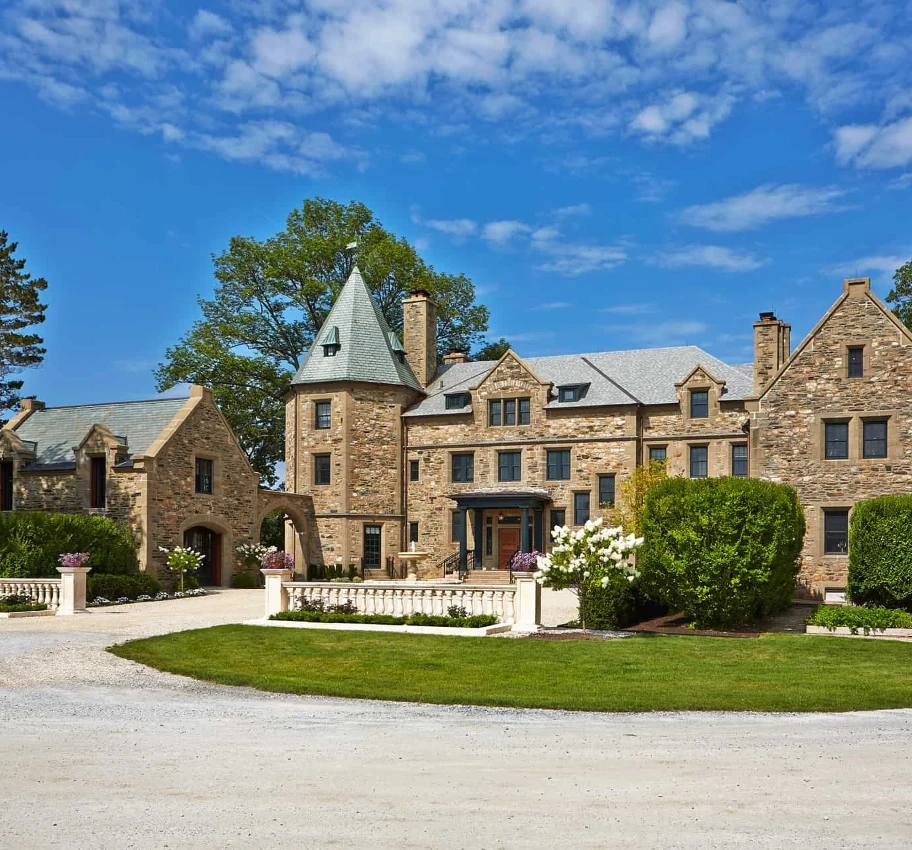
CMC:Berkshires sits on 200 private acres in the Berkshire Mountains. Clients live in a historic stone manor. Each room is single-occupancy, with a private ensuite bathroom, individual temperature controls, and views of the surrounding grounds.
Clinical, psychiatric, medical, and wellness services are on the same campus, so clients do not live in one setting and travel elsewhere for treatment.
The property includes hiking and running trails, a pond for fishing and canoeing, a golf driving range, and space for other outdoor activities. On weekends, Recovery Specialists also lead optional outings into the surrounding community. These outings are enjoyable, but they also have a purpose: people get opportunities to practice being out in the world while they still have support around them.
Residential treatment should help someone function differently after they leave, not simply do well while they are here. Continuing-care planning starts early in the stay.
When clients already have outpatient therapists, psychiatrists, or other providers, we collaborate with them. When additional support is needed, we help identify clinicians, services, and community resources. After discharge, your primary clinician calls weekly for the first month. If you want to keep working within the same clinical approach, CMC’s outpatient practice is based in New York City and offers telehealth where our clinicians are licensed to practice. Family members can continue outpatient services as well in addition to attending free and low-cost groups through CMC:Foundation for Change.
The question is not just, "What should this person do after CMC:Berkshires?" We also want to know what is likely to get hard again once they go home and what support they will need when that happens.

Admissions, Length of Stay, and Payment
CMC:Berkshires is a private-pay residential treatment program. A typical stay is about 30 days; shorter assessment stays and longer stays for focused trauma or OCD work are described below.
Our admissions team can explain current fees, what is included, and whether you may be able to seek out-of-network reimbursement on your own. If someone needs medical detox before arriving, we coordinate that transition directly with the detox program.
Yes. CMC:Berkshires is a residential rehab for adults with alcohol and drug problems. Clients often tell us they came expecting rehab and were surprised by how much of the work ended up being about understanding themselves, their relationships, and how they want to live.
Substance use usually brings someone in, but the work tends to broaden quickly. We may end up looking at trauma, ADHD, OCD, anxiety, depression, sleep, relationships, family dynamics, habits, or anything else making change harder.
The goal is not just to stop a behavior while someone is here. It is to understand what has been driving it, what else needs attention, and what has to be different for change to hold up once someone goes home.
Change is possible. People do get better.
At CMC:Berkshires, we are experts in potential and have built our practice on optimism — because it works. Research has shown that if you provide good options, give real encouragement, and respect people’s right to be part of the solution, things get better. One size does not fit all.
Click the button below to learn about how we do what we do.
CMC:Berkshires is a 15-bed facility less than three hours away from New York City and Boston.
Located in the Berkshire mountains of western Massachusetts, its gated 200-acre retreat includes a stunning manor house as a residence. An additional wellness and therapy center hosts clinical and wellness services (yoga studio, massage rooms, fitness and steam room and full locker facilities). We have single bedrooms with private ensuite bathrooms for all clients.
The Berkshires' beautiful surroundings and the manor grounds' natural privacy allow for a calming reset after productive but often emotionally difficult clinical days.



SPEAK WITH A MEMBER OF OUR INTAKE TEAM
Call us to learn more and ask questions to determine if CMC:Berkshires may be right for you.